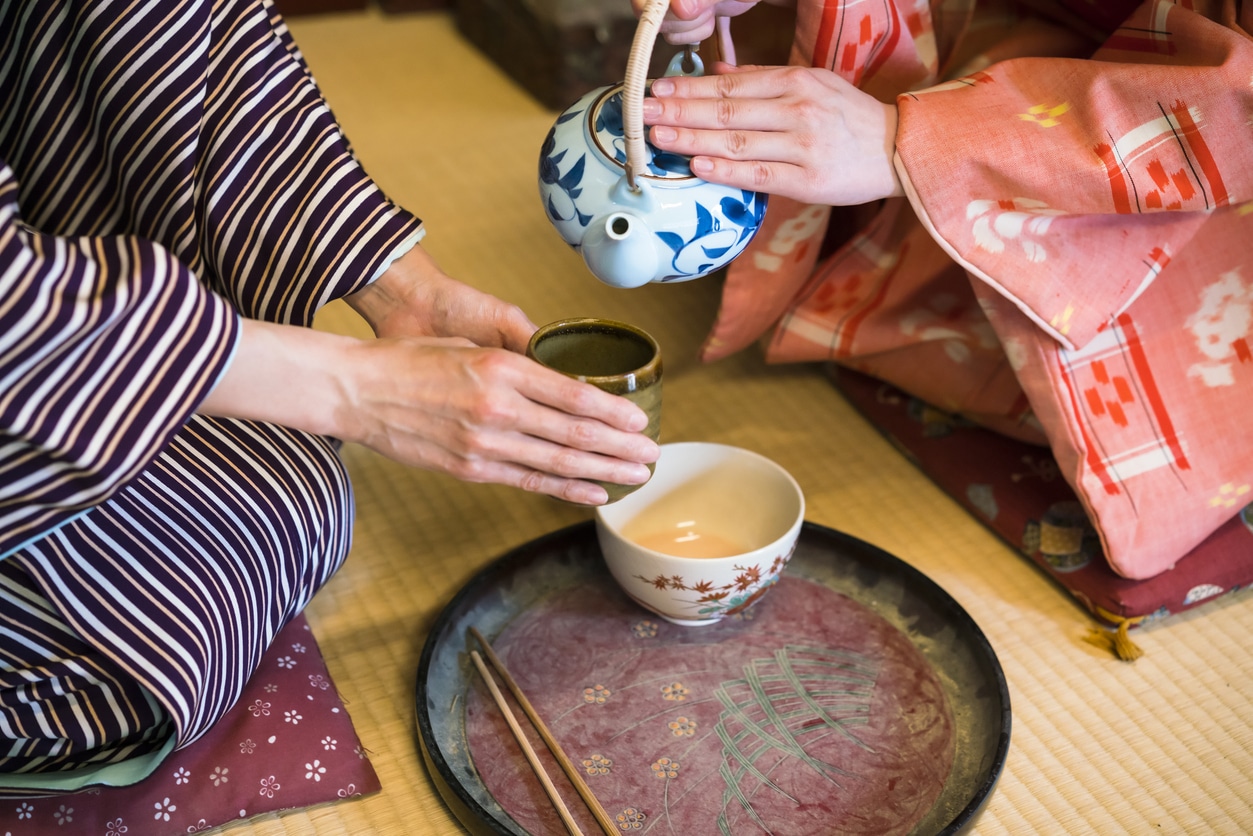
Japanese green tea might just be one of Japan’s greatest achievements. We know that’s saying a lot when we’re talking about the country that revolutionised the modern world with bullet trains, 3D printers, and fibre-optic communications, but the accolades are deserved. Green tea from Japan is revered by connoisseurs all over the world, and has […]
Category: Tea Processing
10 Incredible Facts about Oolong Tea
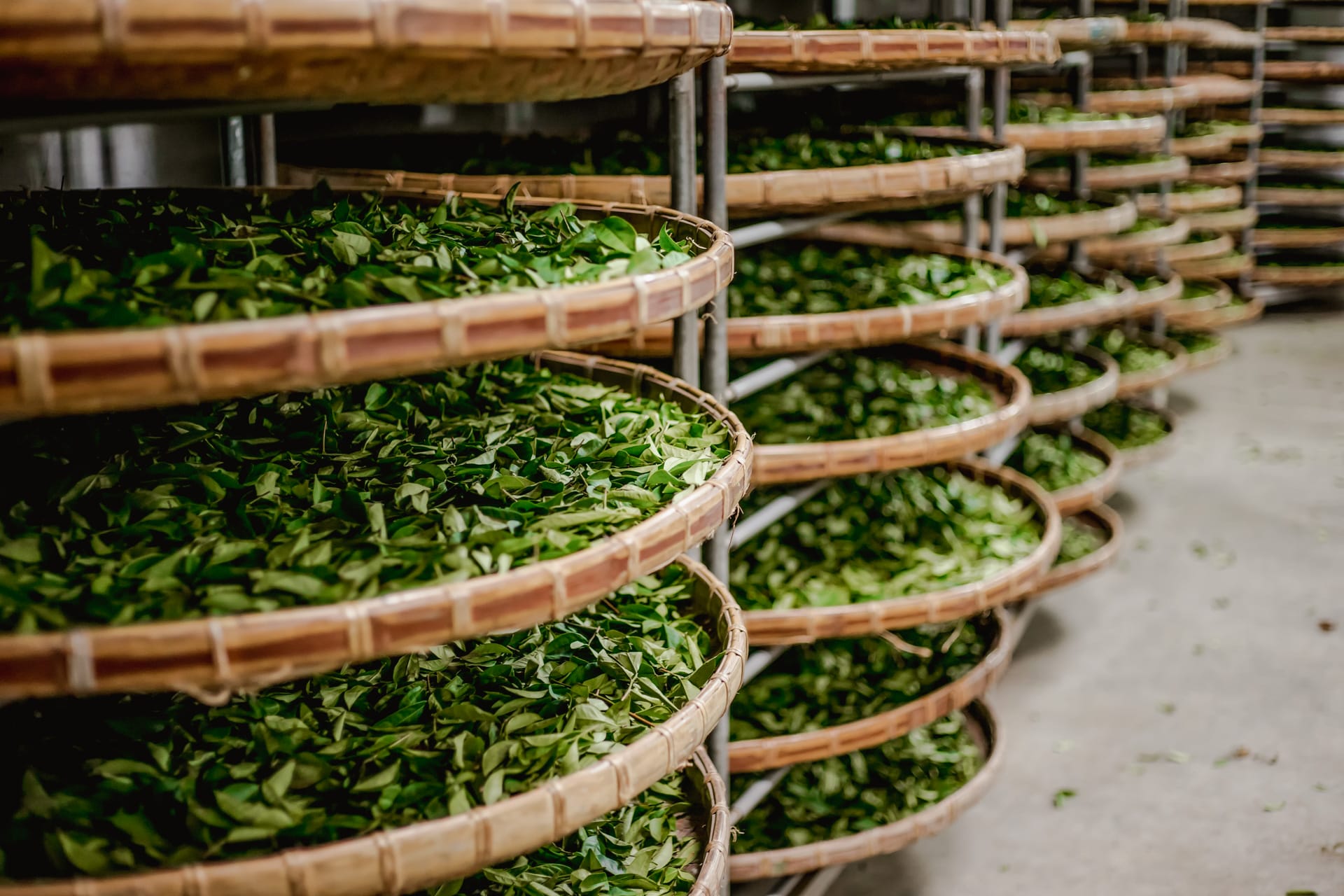
1. Oolong teas can carry the characteristics of both green teas and black teas. In the tea world there is a process called oxidation. The presence or lack of this process helps determine whether the producer has created a green tea (no intentional oxidation) or a black tea (full oxidation). But oolong teas are somewhere […]

Complete Guide to Chinese Tea and its History and Culture
An Overview In this article we will delve into the rich and fascinating world of Chinese tea. We will explore the history and significance of tea in Chinese society, as well as the different types of tea and some of their most unique characteristics. We will also look at the various tea ceremonies and rituals […]
Specialty Tea | The Complete Guide to Artisan Teas
Article by Sharyn Johnston. It appears everyone has an opinion regarding what “specialty tea” means, and yet when you ask different people around the world, there are so many conflicting answers. Let’s look at some of the results. Firstly, what do some people in the coffee industry say defines “specialty coffee”? This may help us […]
Different tea, different processing: The 8 main tea processing methods and how a delicious cup is made
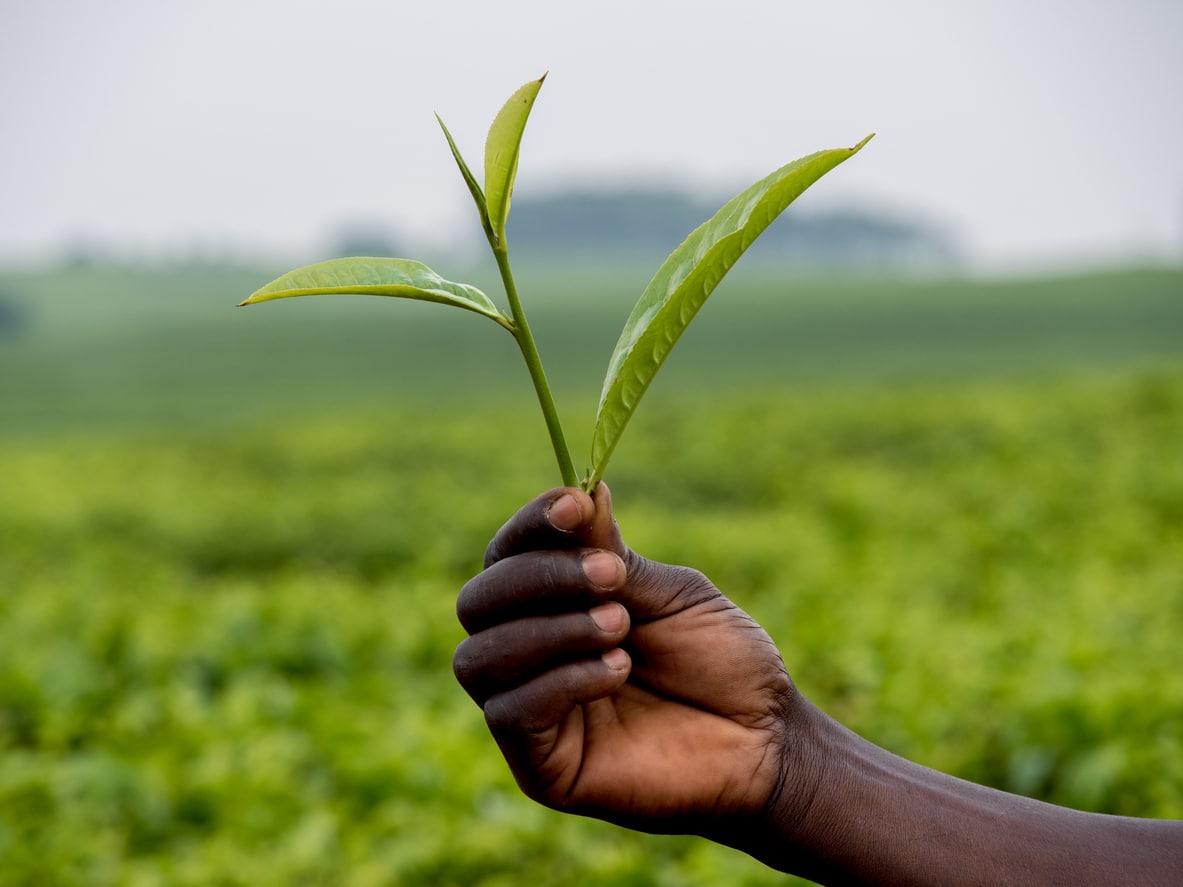
Ever wondered about how you get from this: To this? It’s not magic, though at first glance it might seem like it. Tea processing is an ancient art that extends back thousands of years and begins in China. Through the millennia, the techniques for making it have become increasingly complex, specific, and refined. Amazingly, nothing […]
Get to Know White Tea | Foodal
ARTICLE FROM FOODAL, BY ASHLEY MARTELL. VIEW THE ORIGINAL ARTICLE HERE. Last year, I devoted a lot of time to researching and learning as much as possible about the many different varieties of tea. I have posted an introduction to tea, a brewing guide, and in-depth articles about black, oolong, and green teas. Now I’m back with my latest tea […]
How Can Tea Stay Competitive?
A fantastic write up was completed by beveragedaily.com on How Can Tea Stay Competitive? Sharyn Johnston from Australian Tea Masters was quoted within the article. Its a fantastic read! Please click here to read the article.
Green Tea Vs Black Tea: 5 Differences ALL Tea Drinkers Must Know
It doesn’t take more than a few seconds when browsing online or the tea aisle in your local grocer to realize that we are blessed with a seemingly infinite number of tea varieties to enjoy. Yet, amidst the Earl Greys, spicy chai’s, aromatic jasmine teas, and countless other specialty teas and wellness blends… two varieties of tea reign supreme in both history AND popularity. Of course, we’re talking about green and black tea! Undoubtedly some of the most popular beverages around the world, both green and black tea have been adored for centuries for their refreshing taste, steady and manageable caffeine levels, and plethora of health benefits! In this helpful green tea vs black tea guide, we’re breaking down every major difference between these beloved tea types that avid tea drinkers and newbies alike should know. So, regardless of whether you’re trying to decide which option will be best help you reach your specific health and fitness goals or simply want to further your tea education, simply keep reading to discover in the primary difference (and few similarities!) between these two varieties of tea. Green Tea Vs Black Tea Similarities Before we jump head first into discussing the primary differences between green and black tea, let’s first briefly examine 2 ways in which these two powerhouse beverages are alike! Please consider the following similarities… Similarity #1: Origin Caption: Did you know? To make just 454 grams of tea it takes roughly 2,000 tea leaves! That’s the equivalent of using all the leaves from 2 fully grown, adult Camellia Sinensis over the course of an entire harvest season. Green tea was first steeped thousands of years ago and was highly regarded for its medicinal properties. Much later, around the late 16th century, black tea was discovered and quickly became extremely popular not only in China, but in India, England, and eventually the world. But, don’t let the difference in color or origin dates fool you… these two tea brothers are definitely from the same plant mother! You see, contrary to what one may think, green and black tea actually come from the same plant! Specifically, the plant we have to thank for green and black tea is called Camellia Sinensis, and it is originally native to South East Asia. Fun Fact: Camellia Sinensis is also responsible for giving us Oolong Tea and White tea, which when combined with black and green tea, account for the world’s 4 true teas. Similarity #2: An Abundance of Antioxidants Although their chemical compounds differ due to differences in processing (see further down), both green and black tea are super rich in good-for-you antioxidants, which provide a bounty of amazing health benefits! In green tea, these antioxidants are referred to as “Catechins”, while in black tea they take a new form and names due to oxidization (see further down). More specifically, these teas have in part received their claim to fame as a direct result of […]

Biodegradable SOILON Teabags: Now available to Wholesale Clients at Australian Tea Masters
This article was originally published as part of a larger World Tea News article; the article in full is available at: https://www.worldteanews.com/Insights/follow-leader-tea-bags In response to the recent concerns circulating regarding the leachate contamination by microplastics being released by tea bags during the steeping process, Australian Tea Masters, a conscientious tea blending and distribution company founded in […]
Tea Bags vs. Loose Leaf Tea
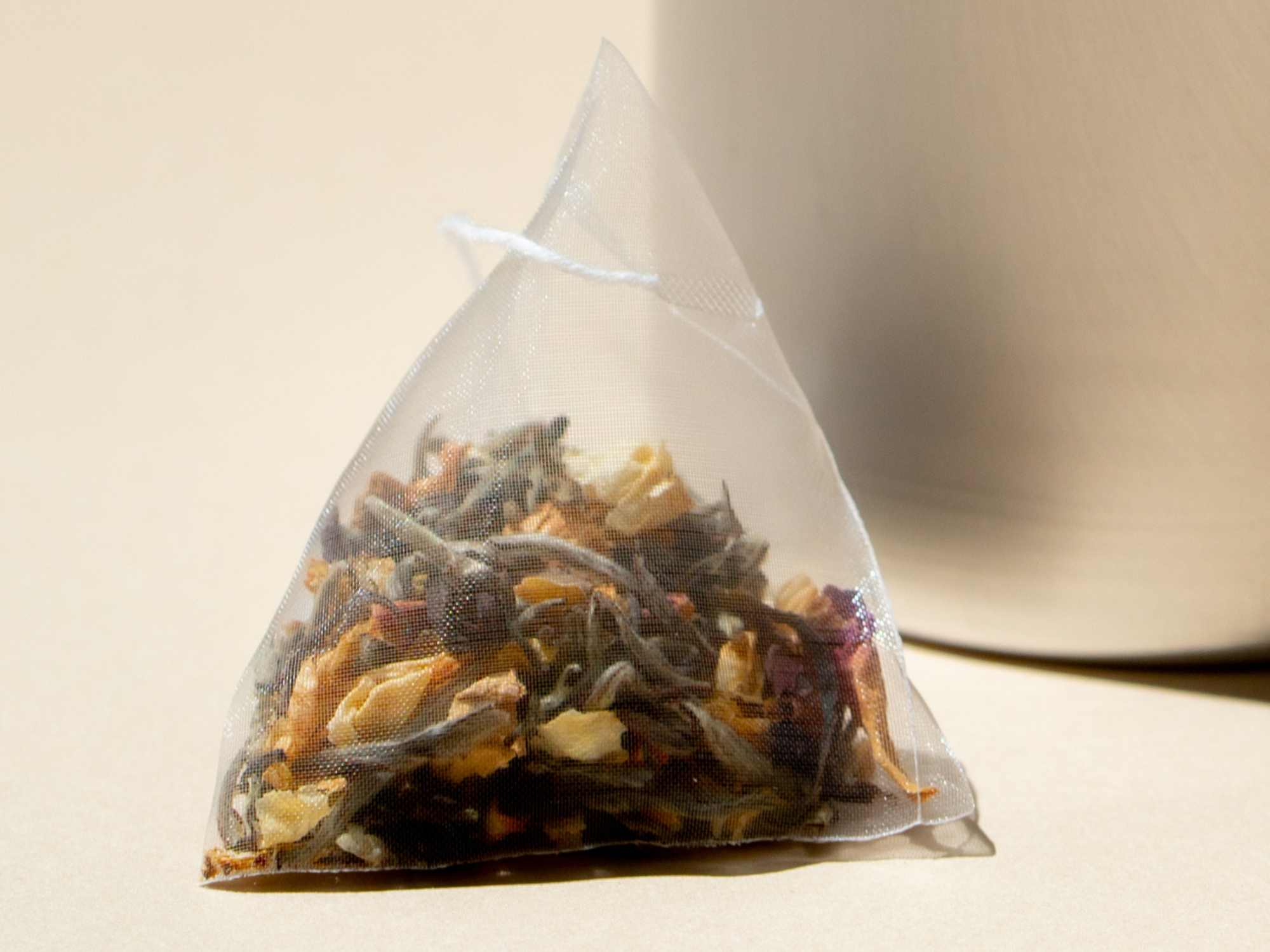
Despite tea specialists having long revered loose-leaf tea and touted it over tea bags, many people still resist the best of the best in flavour, instead opting for Thomas Sullivan’s time-saving (although admittedly accidental) invention. This discrepancy roots from many people’s notable unfamiliarity with loose leaf teas, having drank from tea bags all their lives. […]
CONTINUE READING Tea Bags vs. Loose Leaf Tea 1 min read